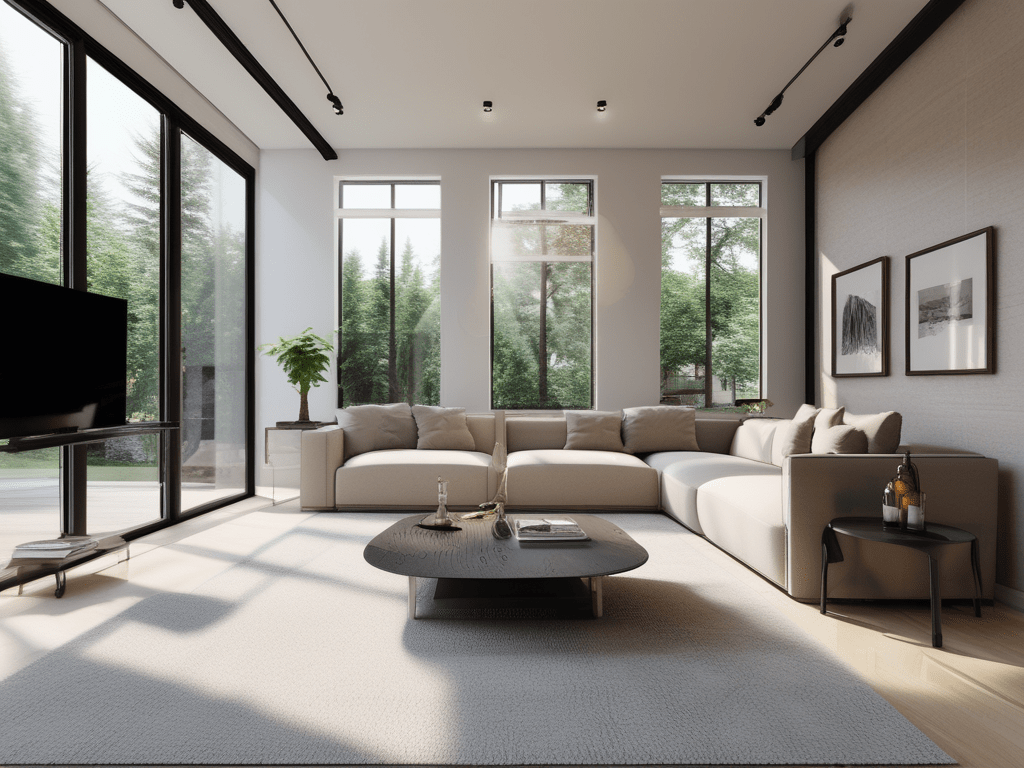
In the realm of architecture and interior design, two predominant styles often stand out: modern and traditional. Each represents a distinct approach to living spaces, reflecting different values, aesthetics, and lifestyles. While some may prefer the sleek lines and minimalist vibes of modern homes, others find comfort and charm in the time-honored traditions of more conventional designs. Let’s delve into the fascinating contrasts between modern and traditional homes.
Design Philosophy:
Modern Homes: Characterized by clean lines, geometric shapes, and a focus on functionality, modern homes embrace simplicity and minimalism. They often feature open floor plans, large windows, and an integration of indoor and outdoor spaces, aiming for a sense of spaciousness and light.
Traditional Homes: Traditional homes, on the other hand, draw inspiration from various historical periods and architectural styles. They prioritize symmetry, ornate detailing, and a sense of coziness. Think pitched roofs, intricate woodwork, and formal living spaces, evoking a sense of warmth and nostalgia.
Materials and Finishes:
Modern Homes: Modern architecture often utilizes materials such as glass, steel, and concrete, embracing a sleek and industrial aesthetic. Neutral color palettes dominate, with an emphasis on monochromatic schemes and clean surfaces. Functionality takes precedence over ornamentation.
Traditional Homes: Traditional homes showcase a rich tapestry of materials and finishes, including wood, stone, and brick. Warm, earthy tones prevail, complemented by intricate patterns and textures. Details like crown molding, wainscoting, and decorative trim add depth and character to the interior spaces.
Technology Integration:
Modern Homes: With technology playing an increasingly significant role in our daily lives, modern homes often incorporate smart features and sustainable solutions. From automated lighting and temperature control to energy-efficient appliances and solar panels, these homes prioritize convenience and environmental consciousness.
Traditional Homes: While traditional homes may not boast the latest tech gadgets, they exude a timeless charm that transcends trends. There’s a sense of craftsmanship and authenticity in every detail, from handcrafted furniture to artisanal fixtures. While they may lack the cutting-edge amenities of modern homes, they offer a sense of history and heritage that resonates with many homeowners.
Lifestyle and Functionality:
Modern Homes: Designed for the contemporary lifestyle, modern homes cater to the needs of busy urban dwellers. Their open layouts promote social interaction and flexibility, ideal for entertaining guests or accommodating evolving family dynamics. Minimalist design principles contribute to a sense of serenity and clutter-free living.
Traditional Homes: Traditional homes, with their defined spaces and formal layouts, lend themselves to a more structured way of life. They evoke a sense of nostalgia for simpler times, where family gatherings around the dinner table and cozy evenings by the fireplace were cherished rituals. While they may lack the fluidity of modern design, they offer a sense of rootedness and belonging.
In conclusion, the choice between a modern home and a traditional home ultimately boils down to personal preferences, lifestyle considerations, and cultural influences. Whether you’re drawn to the sleek sophistication of modern architecture or the timeless elegance of traditional design, both styles offer a plethora of opportunities for creating a space that truly feels like home.

 Melinda Tindell Real Estate
Leave a comment