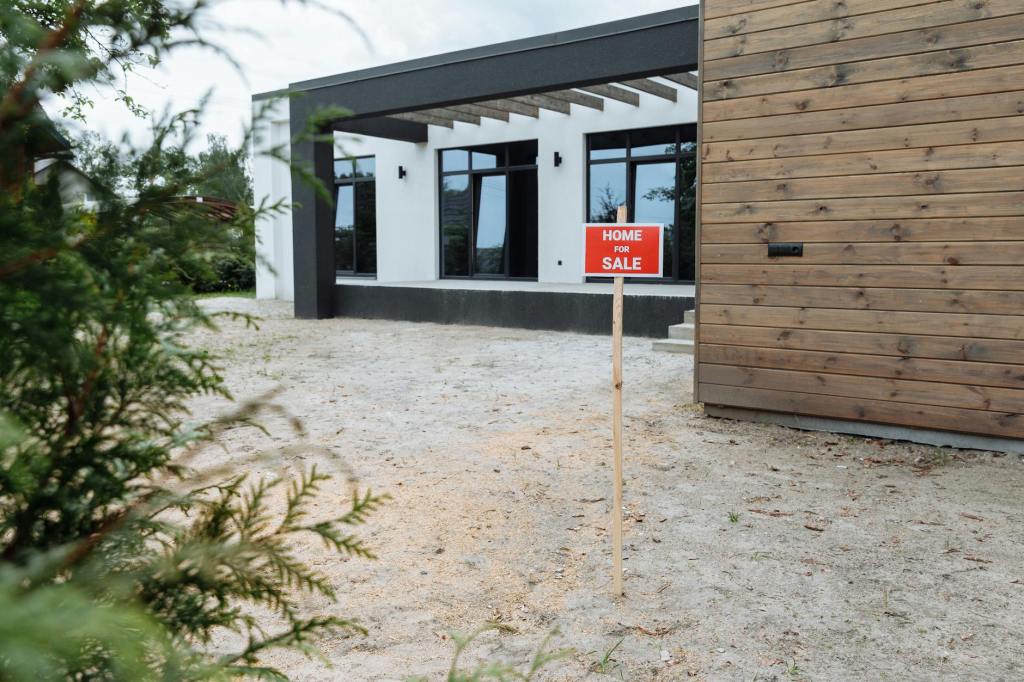
Selling your home can be a daunting process. From choosing the right time to list to staging it for potential buyers, there are many factors to consider. One of the most crucial decisions you’ll make as a seller is determining the listing price. While aiming high might seem like a good strategy to maximize profit, overpricing your home can lead to a myriad of challenges and setbacks in the selling process.
The Initial Buzz
Setting a high listing price may attract attention initially, especially in a hot real estate market where buyers are eager to find their dream home. However, this initial buzz can quickly fizzle out if the price doesn’t align with the value perceived by potential buyers.
Limited Interest
As time passes without any serious offers, interest in your property may dwindle. Many buyers rely on online listing platforms where they can set price filters. If your home is priced above similar properties in the area, it might not even appear in their search results, significantly reducing your pool of potential buyers.
Stagnant Listing
An overpriced home often languishes on the market, leading to a stagnant listing. The longer your home sits unsold, the more skeptical buyers become. They may wonder if there are hidden issues with the property or if it’s simply not worth the asking price.
Price Reductions
To reignite interest, sellers often resort to price reductions. However, this strategy can backfire. A series of price cuts can signal desperation to buyers, prompting them to make even lower offers or wait for further reductions. Moreover, reducing the price too late in the game may have already caused irreparable damage to the perception of your property in the eyes of potential buyers.
Appraisal Challenges
Even if you do manage to attract a buyer willing to pay your inflated price, their lender will likely order an appraisal to ensure the property’s value aligns with the loan amount. If the appraised value falls short of the agreed-upon purchase price, the buyer may either walk away, renegotiate, or request that you lower the price to match the appraisal.
Lost Time and Money
Ultimately, the most significant cost of overpricing your home is the lost time and money. Every day your property remains unsold is another day of mortgage payments, maintenance costs, and utility bills eating into your potential profit. Additionally, the emotional toll of the prolonged selling process can be draining for sellers.
Finding the Right Price
So, how do you avoid the pitfalls of overpricing? The key is to conduct thorough market research and consult with a reputable real estate agent who can provide a comparative market analysis (CMA). This analysis will consider factors such as recent sales of similar properties in your area, current market trends, and the unique features of your home to determine a competitive listing price.
Conclusion
Selling your home is a significant financial transaction, and pricing it correctly from the outset is crucial for a smooth and successful sale. While it may be tempting to aim high, overpricing your home can lead to a host of challenges, including limited interest, a stagnant listing, and appraisal issues. By setting a realistic and competitive price based on market data, you can attract more buyers, sell your home faster, and ultimately maximize your profit.

 Melinda Tindell Real Estate
Leave a comment