
In the world of real estate, presentation is everything. From the moment a potential buyer steps through the door, they should be captivated by the space, envisioning it as their future home. This is where the art of staging comes into play – the strategic arrangement of furniture, decor, and ambiance to highlight a property’s best features and evoke an emotional connection with prospective buyers.
Staging a house isn’t just about making it look pretty; it’s about creating an atmosphere that resonates with potential buyers on a subconscious level, allowing them to see themselves living there. Whether you’re a homeowner looking to sell or a real estate professional aiming to maximize a property’s value, mastering the art of staging is essential.
Setting the Stage: The Importance of First Impressions
First impressions matter, especially in the world of real estate. When a buyer walks into a house, they form an impression within the first few seconds. Therefore, it’s crucial to make those moments count. Staging sets the stage for a positive initial encounter, helping buyers imagine themselves living in the space.
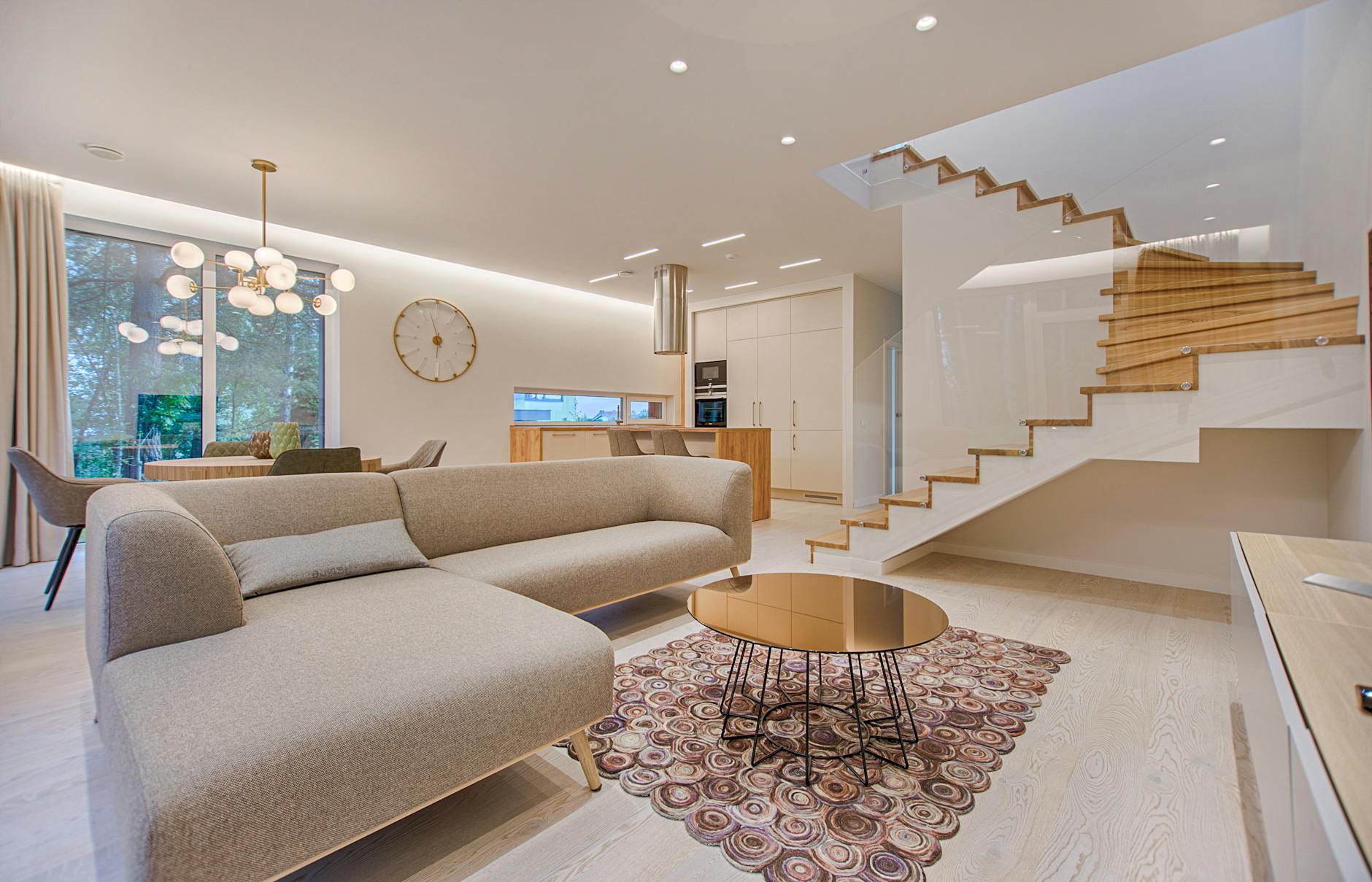
Highlighting Key Features
Every house has its unique selling points – whether it’s a cozy fireplace, spacious kitchen, or stunning view. Staging accentuates these features, drawing attention to them and creating a focal point for potential buyers. By strategically placing furniture and decor, stagers can guide the viewer’s eye towards the property’s most desirable aspects.
Creating a Blank Canvas
While personal touches can make a house feel like home, they can also distract buyers from envisioning themselves in the space. Staging involves creating a neutral, inviting environment that appeals to a broad range of tastes. This often means decluttering, depersonalizing, and simplifying the decor to allow buyers to project their own style onto the space.
Maximizing Space and Flow
One of the most significant benefits of staging is its ability to showcase a property’s potential. Clever furniture placement can make rooms appear larger and highlight natural flow, allowing buyers to visualize the possibilities for each space. Additionally, staging can help buyers understand how they might use unconventional areas, such as alcoves or nooks.
Appealing to the Senses
Staging isn’t just about what buyers see – it’s about creating a multi-sensory experience that resonates with them emotionally. This involves engaging all the senses, from sight and touch to smell and sound. Soft lighting, plush textures, and subtle scents can create a welcoming ambiance that makes buyers feel at home.
Investing in Professional Expertise
While some homeowners may attempt to stage their properties themselves, enlisting the help of a professional stager can yield superior results. Professional stagers have a keen eye for design and understand how to highlight a property’s best features effectively. They also have access to a vast inventory of furniture and decor, allowing them to create a tailored look for each property.
The Bottom Line: Increased Marketability and Value
Ultimately, the goal of staging is to make a house more marketable and increase its perceived value. Research has consistently shown that staged homes sell faster and for higher prices than their unstaged counterparts. By investing in staging, sellers can attract more buyers, generate greater interest, and ultimately secure a better return on their investment.
In conclusion, staging is a powerful tool in the real estate arsenal, capable of transforming ordinary houses into irresistible homes. From highlighting key features to creating a welcoming ambiance, staging plays a crucial role in shaping buyers’ perceptions and driving sales. Whether you’re a homeowner preparing to sell or a real estate professional looking to maximize a property’s value, mastering the art of staging is essential for success in today’s competitive market.

 Melinda Tindell Real Estate
Leave a comment